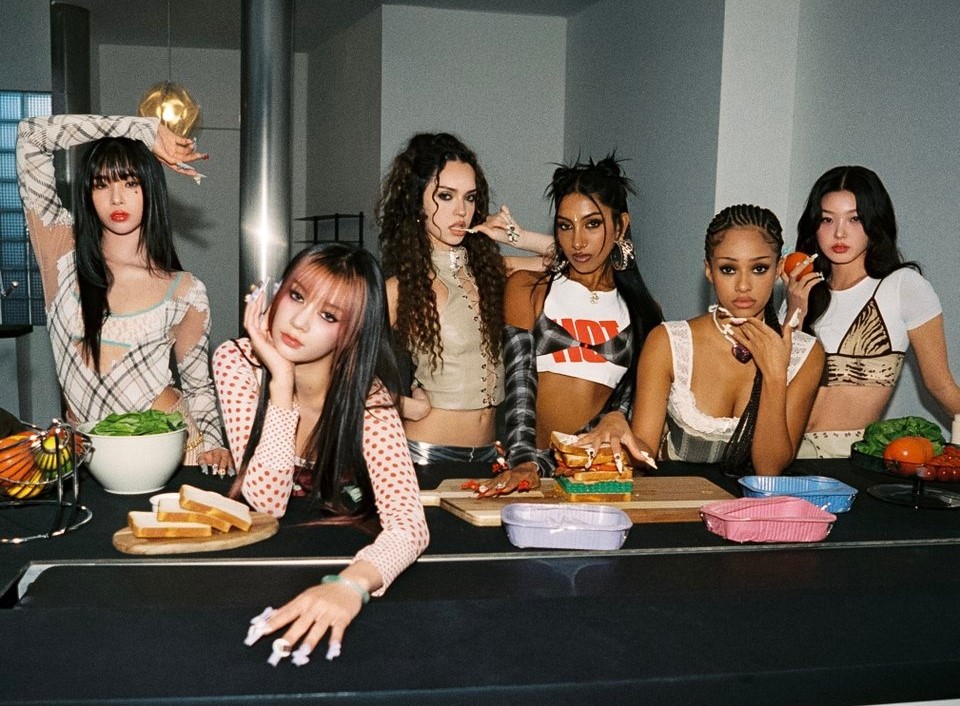
The K-pop sphere is currently a buzz with a track that’s proving to be as divisive as it is undeniably viral: KATSEYE’s latest release, “GNARLY,” has amplified the volume considerably. This track has been nothing short of a talking point, sparking a whirlwind of reactions that range from outright criticism to unexpected addiction. Some listeners praised its bold and unconventional sound, while others pointed to its unusual structure. Yet, as time goes on, a curious phenomenon is unfolding – “GNARLY” seems to be burrowing its way into the collective consciousness, transforming from a point of contention into an undeniably catchy earworm for many. Could this course be purely accidental, or is there a more calculated strategy at play?
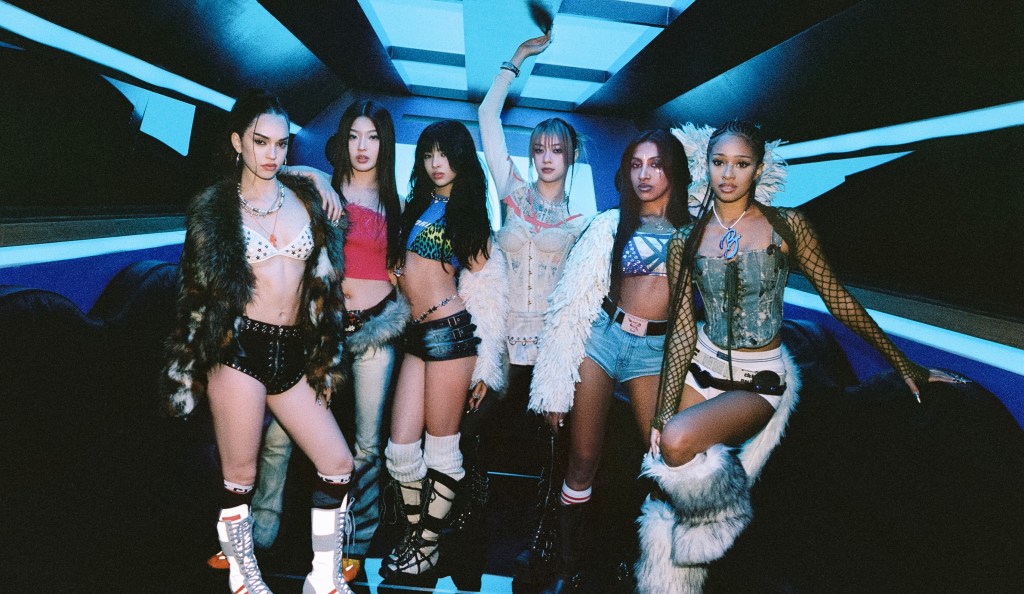
Upon its release, “GNARLY” certainly didn’t shy away from making a statement. Many listeners were taken aback by its distinct sound. Criticisms regarding its structure, certain sonic elements, and an overall feeling of being “not quite right” circulated rapidly online. Some found it jarring, and not the polished perfection they might have anticipated. The initial online discourse was undeniably mixed, with strong opinions on both sides.
However, something curious began to happen. Despite the initial skepticism, “GNARLY” started to make its way into the collective consciousness. The very elements that were initially criticized began to take on a different light. Repeated listens seemed to unlock a strange, almost magnetic catchiness. That unusual rhythm started to feel less like noise and more like an insistent beat. That unexpected melodic twist became the earworm you couldn’t shake. “GNARLY” was proving to be surprisingly addictive.
This brings us to a fascinating proposition: could this initial polarizing effect have been, at least in part, intentional? In a fiercely competitive music market, simply releasing a “good” song might not be enough to cut through the overwhelming racket. Generating strong reactions, even negative ones, can be a powerful catalyst for discussion and, ultimately, virality. The internet thrives on drama and conflicting opinions, and “GNARLY” certainly provided fuel for that fire.
Think about the “bad good” phenomenon. How many times has a song, initially deemed awkward or even “bad,” ironically become a beloved and endlessly quotable track? Could KATSEYE have tapped into this, creating a song that is so unconventional it loops in your head against your will? Perhaps the strategy was to be different, to push boundaries, and to create something memorable precisely because it wasn’t perfect in a traditional sense.

While we can only speculate on KATSEYE’s true intentions, considering their position as a newer group trying to make a mark, a bold and quirky approach could be a deliberate tactic to establish a unique identity. In a genre often associated with polished perfection, a dose of calculated “gnarliness” could be their way of standing out from the crowd and carving their own niche.
The trajectory of fan reactions to “GNARLY” has been telling. While initial criticism was vocal, many of those same listeners have admitted to finding themselves humming the tune days later. Social media platforms have become a playground for “GNARLY” related content, with dance challenges, reaction videos showcasing the “it grows on you” effect, and countless discussions examining its unconventional charm. The very elements that sparked debate are now becoming part of its viral appeal.
KATSEYE’s “GNARLY” is more than just a song; it’s a case study in the modern music landscape. Whether its viral catchiness is a happy accident or a calculated risk, the result is undeniable: it has captured attention and sparked conversation. Perhaps in a world drowned with perfectly crafted pop, sometimes a little “gnarly” is exactly what it takes to break through and leave a lasting impression.
What was your initial reaction to “GNARLY”? Has your opinion changed over time? Share your thoughts and theories in the comments below!

 bora.cafe
Leave a comment